


In this article:
You must have seen young boys and men run their hands through their hair to fix it up. It is almost a habit for many.

This is simply because the look of your hair changes and defines the look of your face. Moreover, many men associate their hair health with high self-esteem and are easily saddened by hair loss or damage.
This article will navigate the realm of damaged hair in men, uncovering the causes, signs, home remedies, and prevention strategies to guide you in your quest for healthy, vibrant hair.
Signs of Damaged Hair in Men
Naturally damaged hair exhibits these signs.
1. Excessive hair loss
Losing hair every day is a very natural process. It is, in fact, a part of the hair’s growth cycle and enables the development and growth of new hair in place of the old ones that fall.
But there is a limit to the amount of hair loss in a day that is acceptable and considered normal. According to experts and dermatologists, losing 100 hairs per day is completely fine, but losing hair way more than that could be a sign of damaged hair. (1)(2)
If your hair is shedding a lot, you may need to find the root cause of this hair damage. Many times, it can be from health issues that you may think have nothing to do with hair such as thyroid problems and nutritional deficiencies. (3)(4)
2. Fraying of hair
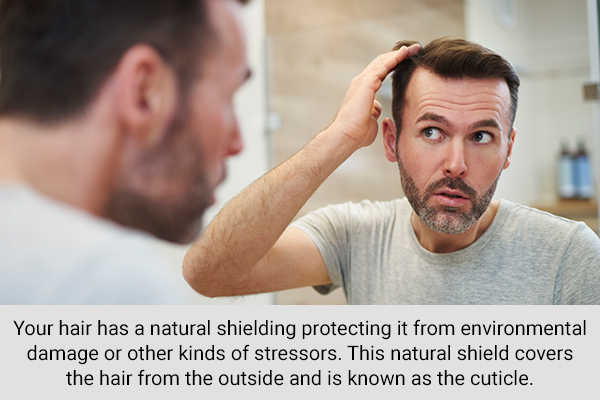
Your hair has a natural shield that protects it from environmental damage or other kinds of stressors. This natural shield covers the hair from the outside and is known as the cuticle.
When this protective layer is damaged, split ends may develop.
Split ends are essentially hair strands that divide into two or more sections toward the tips. This splitting makes your hair look untidy and more susceptible to breakage. (5)
3. Itchiness or dandruff
The flakes that fall on your shirt or that sit like freshly fallen snow on your head can be a reminder that your scalp is unable to balance its natural oil secretion. (6)(7)
Dandruff, a familiar problem, occurs when your scalp’s natural oil balance is disrupted, regardless of whether your hair is oily or dry. It leads to an itchy scalp and flakes, which can clog your scalp with dead skin cells. This clogging can hinder hair growth and overall hair health. (8)
Therefore, flaking is a sign of hair damage.
4. Lifeless, dull, and frizzy hair
Undamaged hair has a natural shine. If your hair misses this shine, maybe it is time to take better care of its health. (9)
Having very unnaturally unruly, unkempt, frizzy hair is a clear sign of hair damage. Sometimes, it is genetic, but most of the time, it is due to bad hair care practices and excessive use of styling products. (10)(11)
Causes of Damaged Hair in Men
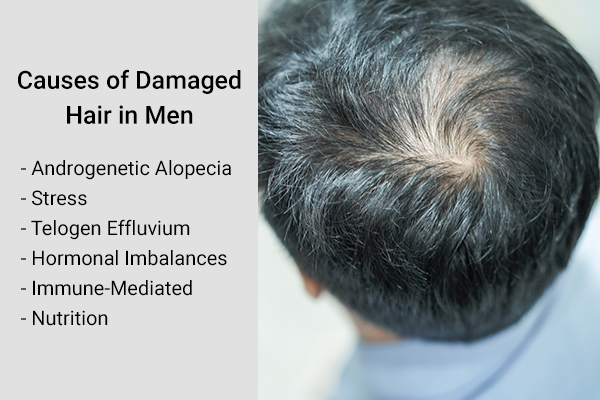
Hair damage in men can result from various factors.
A. Health conditions
1. Androgenetic alopecia (male-pattern baldness): The most common cause of hair loss-related damage in men is androgenetic alopecia, which is caused by genetic influence and age-related changes in hormone (androgen) levels. It’s responsible for about 80% of hair loss cases in men. (12)
2. Stress: Leading an exhausting and immensely stressful life can ultimately affect your hair, causing damage and hair loss by elevating cortisol (stress hormone) levels and hindering hair follicle formation. Stress can also worsen other types of alopecias. (13)
3. Telogen effluvium: This condition is defined as a poor hair condition characterized by a lot of hair shedding. It can be triggered by stress, disease, or prolonged fasting and results in temporary hair loss. (14)
4. Hormonal Imbalances: Hormones such as thyroid hormones, glucocorticoids, and prolactin, among others, significantly affect the development and growth cycle of your hair. Any issue or disease that affects hormonal balance can lead to hair problems. (12)
5. Immune-mediated causes: Some conditions target your immune system. Alopecia areata is one such issue and is an autoimmune condition that harms the hair follicles in their growth stage. (12)
6. Nutrition: A balanced diet is crucial for every aspect of health including the well-being of your hair. A deficiency of iron, vitamins D and B12, selenium, etc., can lead to hair damage such as hair loss or premature graying. (15)
7. Other factors: Drug-induced hair damage and loss, infections (e.g., Epstein-Barr virus, HIV), and underlying health issues (e.g., liver or kidney problems, rheumatological disorders) can also lead to hair issues in men. (12)
B. Hair care practices
According to many experts, the following are the major causes of hair damage in men:
- Excessive use of heat tools such as hairdryers, straighteners, and curling irons can lead to brittle, dry hair.
- Aggressive shampoos and styling products containing chemicals can strip the hair of its natural oils, leaving it parched.
- Rubbing the hair vigorously with a towel can cause breakage.
- Skipping regular trims can result in split ends that travel up the hair shaft, causing further damage.
- Washing hair daily can strip away its natural oils, leading to dryness.
- Excessive use of hair gels, dyes, relaxers, or perms can weaken the hair structure.
- Prolonged sun exposure can make the hair dry and brittle.
Home Remedies for Damaged Hair in Men
Men can try these easy remedies to help recover damaged hair.
1. Scalp massage
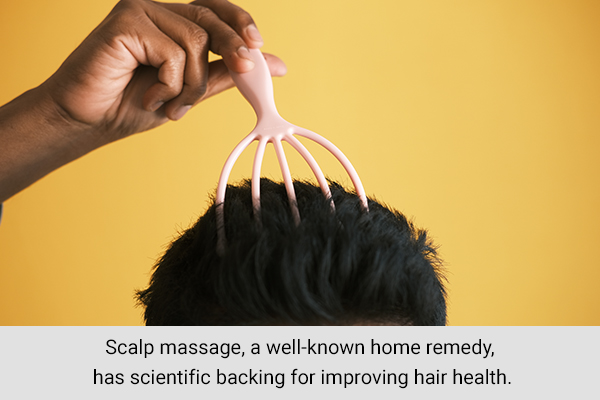
Scalp massage, a well-known home remedy, has scientific backing for improving hair health.
In a study involving nine men, 4 minutes of daily standardized scalp massage over 24 weeks led to noticeable changes. Hair thickness increased significantly from 0.085 mm to 0.092 mm.
How does it work? Scalp massages apply mechanical forces to subcutaneous tissue, leading to positive gene expression changes. (16)
2. Fenugreek mask
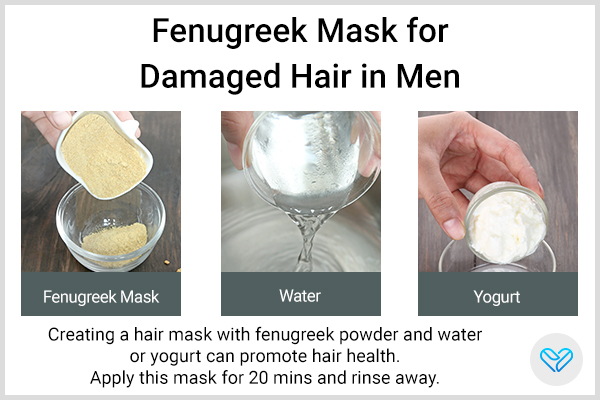
Fenugreek is a natural remedy that helps men with common hair issues. According to researchers, its extracts are effective against fungal problems such as dandruff. (17)
A hair mask with fenugreek powder and water or yogurt can promote hair health. Apply this mask for 20 minutes and then rinse it off.
It’s a safe, herbal choice for combating fungal infections of the hair and protecting it from damage!
3. Egg mask
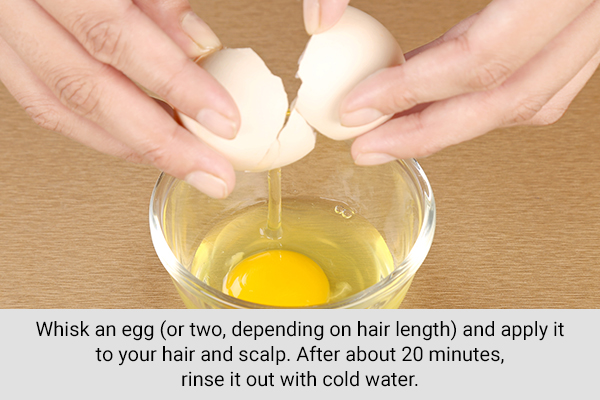
An unlikely yet effective remedy for damaged hair might be right in your kitchen – the ordinary egg. Research suggests that certain elements in eggs can play a role in revitalizing hair.
Eggs contain water-soluble peptides that can enhance the production of vascular endothelial growth factor (VEGF), which is crucial for hair growth. (18)
Simply whisk an egg (or two, depending on hair length) and apply it to your hair and scalp. After about 20 minutes, rinse it off with cold water.
4. Hair oiling
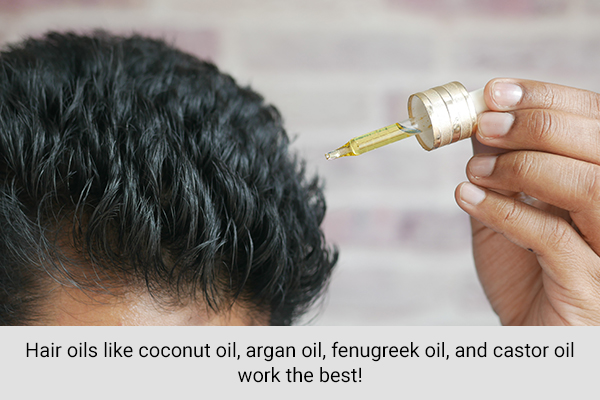
People worldwide believe that regular oiling promotes hair strength, shine, and volume and can even prevent premature graying.
This tradition involves gentle combing, followed by a thorough oiling from roots to tips, often preceding a weekly shampoo. (19)
Hair oils such as coconut oil, argan oil, fenugreek oil, and castor oil work the best!
Prevention of Hair Damage in Men
Dermatologists and hair experts have poured down their knowledge regarding the safekeeping of hair and protecting it from damage. These preventative measures include:
- Avoid excessive heat and harsh chemicals. Use heat tools sparingly, and apply a heat protectant when necessary.
- Don’t overwash; use sulfate-free, gentle shampoos when needed.
- Ensure proper intake of nutrients such as vitamins, minerals, and proteins for strong hair.
- Wearing a hat for prolonged periods can lead to hair damage. Choose hats that allow your scalp to breathe.
- Apply beard oil to keep facial hair soft and nourished.
- Quit smoking as it can damage hair and lead to premature graying.
- Keep combs and brushes clean to avoid oil and bacteria buildup.
- If you’re into intense workouts, choose gym bands that minimize hair pulling and friction.
- Shield your hair from excessive sun exposure.
- Use a quality conditioner to maintain hair moisture.
- Consider checking your testosterone levels, especially if you notice signs of hair loss.
- Drink enough water to keep your hair and body hydrated.
- Reduce stress, which can contribute to hair issues.
Most-Asked Questions
Do hair dyes damage hair?
Frequent use of chemical hair dyes can weaken hair.
Is daily hair washing harmful?
Daily washing can strip the hair’s natural oils and cause dryness.
Do hair products affect hair health?
Harsh products can damage hair.
Is sun exposure damaging to hair?
Prolonged sun exposure can dry out and weaken hair.
Final Word
Men need to take care of their hair to prevent damage. Understanding the causes of hair damage and practicing good hair care is essential.
Protect your hair from harsh styling, use gentle products, and maintain your overall well-being to achieve healthy hair. Be mindful of your hair care routine, and your hair will look its best.
- Was this article helpful?
- YES, THANKS!NOT REALLY

