


In this article:
When it comes to caffeinated beverages, anything made from coffee – whether a cup of black coffee, a shot of strong espresso, a cappuccino, or a latte – is a staple part of many people’s morning routine.

Caffeine is a strong stimulant that activates the central nervous system and, as a result, increases mood and enhances alertness. (1) A single cup of coffee offers 95–330 mg of caffeine, (1) and since most coffee-based beverages contain at least 1 shot of espresso, you benefit from it!
Naturally, when you hear “black latte,” you automatically think of a coffee-based beverage that does not contain milk and contains caffeine. But it is not coffee at all.
How Is Black Latte Different From a Regular Café Latte?
Café latte is derived from the French term “café-au-lait,” which means coffee with milk. When a shot of freshly prepared espresso is added to a glass of hot frothy milk, it creates a layer and a signature cup of café latte. (2)
While traditional latte only uses coffee, milk, and optionally sugar, other ingredients can be added to create new varieties. These can range from floral essences, cocoa, matcha powder, or even activated charcoal powder.
A black latte, on the other hand, is made solely from activated charcoal instead of coffee. It can have milk or sugar, depending on the person’s preference. Some people also add a small amount of coffee; however, the main ingredient is activated charcoal.
What Does Black Latte Consist Of?
According to the product description of black latte products, the primary ingredients of a black latte powder used to make black latte are: (3)

- Activated charcoal, which is used to remove toxins from a person in clinical settings (such as in the case of medication overdose) (4)
- L-carnitine, which is an amino acid produced in the liver but is also used as a supplement to increase recovery from exercise and improve further performance (5)
- Chromium picolinate, which is a supplement used to manage blood sugar levels and reduce insulin resistance in the body (6)
Since none of the ingredients provide caffeine, a glass of black latte will not contain any caffeine at all!
How Is Black Latte Made?
Black latte is made by mixing 2 teaspoons of black latte powder in a glass (200 ml) of hot water until dissolved.
However, you can also add any plant-based milk such as almond or oat milk to improve flavor and add any sweetener as desired.
Is Black Latte Healthy?
Since black latte is a very recent invention, there are limited studies on the benefits of black latte. However, the product was invented for the following purposes: (3)
- To eliminate toxins from the body
- To improve fat loss and prevent the accumulation of fat in the body
- To improve overall insulin sensitivity to avoid body fat
- To increase metabolism
People who have used black latte proudly share their weight loss experiences when using these products. These reviews can be viewed wherever black latte powder is available for purchase.
Most-Asked Questions About Black Latte
Which is healthier, black coffee or latte?
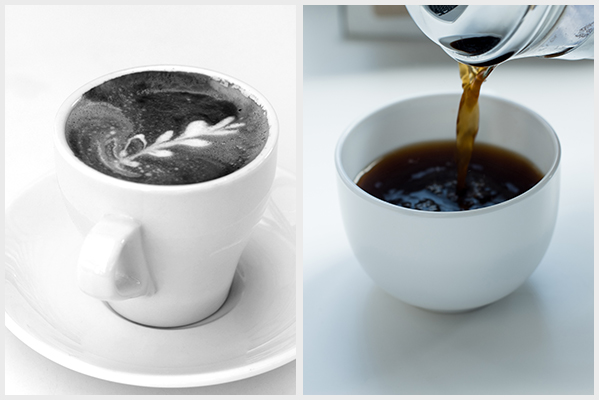
Both types of drinks are consumed for different purposes. While a coffee drink will provide a much-needed focus and ability to perform daily tasks with energy, a black latte (if it contains L-carnitine) can boost energy and performance in sports. Your choice will depend on your needs.
Can we have a black latte daily?
One mug of black latte can be had daily.
Is there 100% caffeine-free coffee?
Yes! If you prefer having your daily mug of coffee with reduced or no caffeine, there are caffeine-free coffee products available on the market.
Popularly called decaf coffee, it is prepared by soaking the beans in a liquid of water and solvents to remove the caffeine from the beans. They are then ground and sieved to produce coffee powder. (7)
Practical Takeaways
- Black latte is mainly called so because it is made from activated charcoal. Other ingredients include L-carnitine and chromium picolinate (though this may vary based on the company producing it).
- Caffeine is mainly found in coffee beans and is not present in activated charcoal.
- Black latte is a caffeine-free beverage mainly used to reduce weight.
- Was this article helpful?
- YES, THANKS!NOT REALLY

